


Vintage Japanese Knife Care & Maintenance Guide
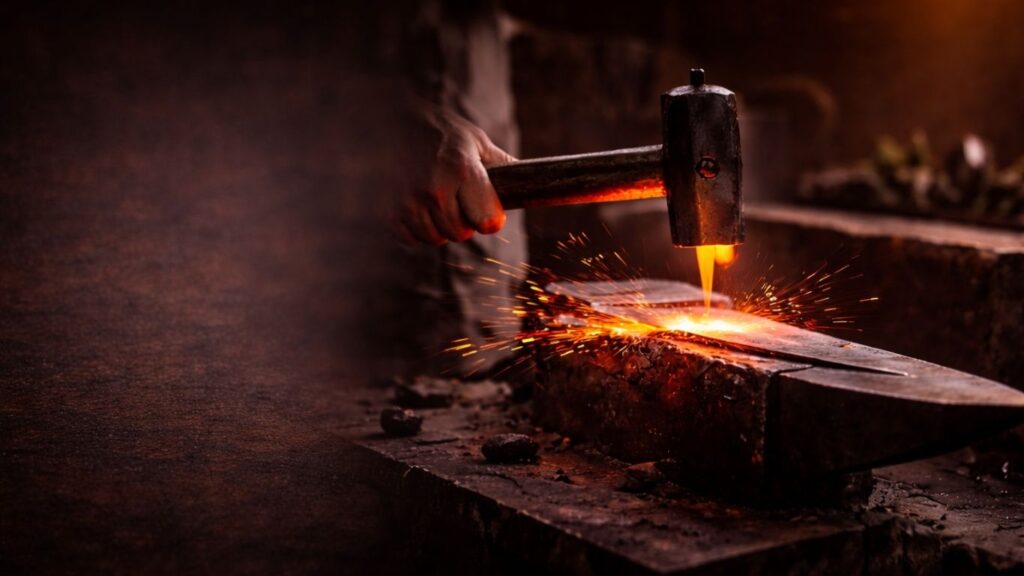
Preserving the Soul of Japanese Steel
Honoring the Craft. Preserving the Blade.
Your vintage Japanese knife is more than a kitchen tool — it is a piece of living history. Hand-forged from traditional carbon steel, shaped by master blacksmiths, and restored with care, each blade deserves thoughtful maintenance to ensure it performs beautifully for decades to come.
This guide will help you protect your knife’s edge, preserve its natural patina, and keep its heritage alive every time you cook.
Cleaning & Daily Care
Clean Immediately After Use
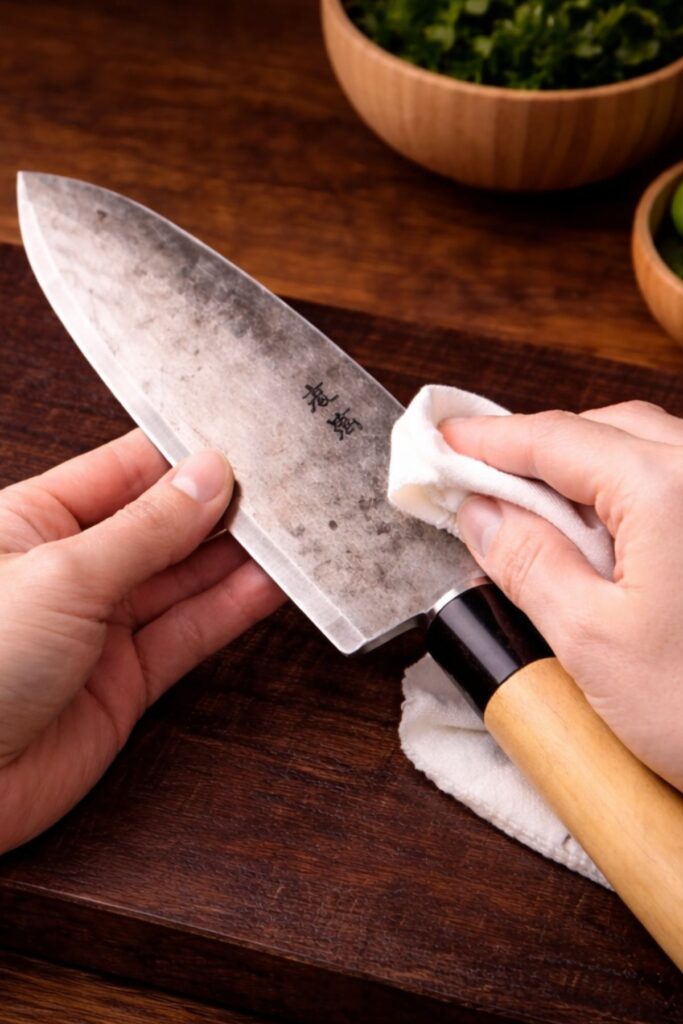
Carbon steel reacts quickly to moisture and acids. After each use:
- Rinse with warm water.
- Wipe with a soft sponge or cloth.
- Dry completely with a towel.
Never soak the blade and never leave it wet on the counter — moisture can cause rust within minutes.
Avoid Dishwashers
Dishwashers damage blades, handles, and the tempering of the steel. Always wash by hand only.
Use Gentle Cleaning Products
Avoid harsh chemicals or abrasive scrubbers. Use:
- Soft cloths
- Mild, unscented soap
- Warm (not hot) water
This protects both the edge and the patina.
Beauty, Protection & Character
Your knife is carbon steel — it will naturally develop a patina, a subtle blue-grey coloration on the blade.
Patina is good.
It protects the blade from rust, adds character, and reflects the story of your knife’s life.
Encourage a Healthy Patina
Cutting certain foods helps build a protective layer:
- Onions
- Beef
- Potatoes
- Apples
This patina evolves over time, making each knife completely unique.
If Orange Rust Appears
Orange or flaky rust must be removed immediately.
Use:
- A rust eraser
- 1,000–2,000 grit sandpaper (very gently)
- Soft metal polish (sparingly)
Always re-dry the blade thoroughly after.
Oiling the Blade
After cleaning — especially in humid climates — apply a light coat of food-safe oil to protect the blade.
Recommended:
- Camellia oil (traditional)
- Mineral oil (neutral and affordable)
Apply sparingly with a soft cloth. This prevents rust and conditions the steel.
Sharpening & Edge Care
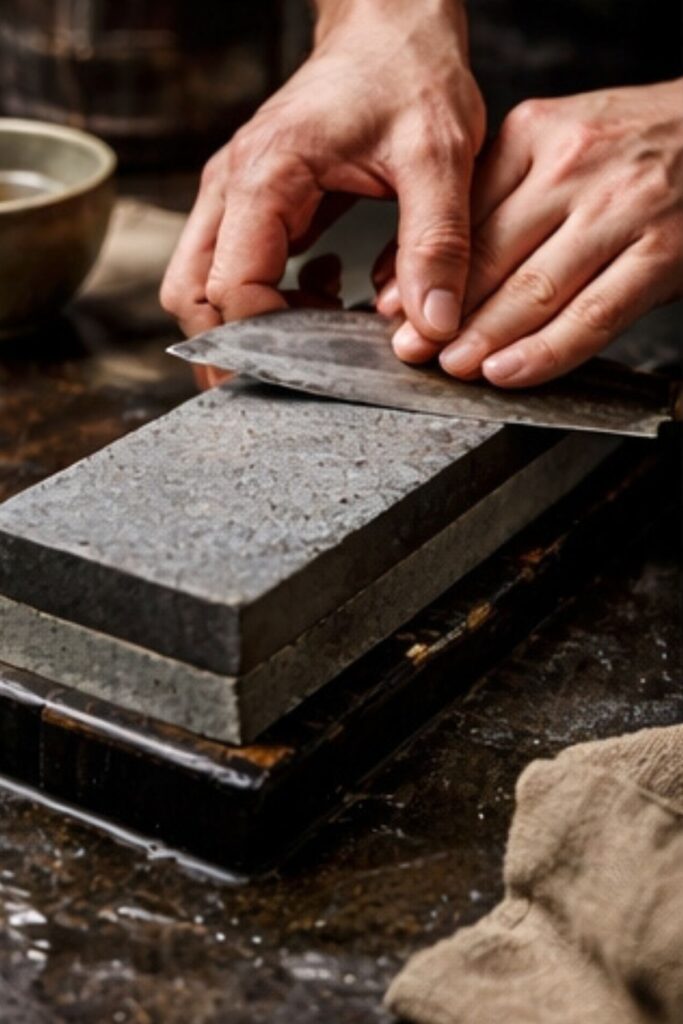
Vintage Japanese knives are made from high-carbon steels like Shirogami (White Steel) and Aogami (Blue Steel) — metals that excel on traditional sharpening stones.
Whetstone Sharpening
For best results, use:
- 1,000 grit (sharpening)
- 3,000–6,000 grit (finishing)
- 8,000+ grit (optional mirror polish)
Sharpen your knife according to its type:
- Single-bevel knives (Yanagiba, Usuba, Deba): sharpen the bevel side; deburr the flat side.
- Double-bevel knives (Gyuto, Santoku, Bunka, Petty): sharpen both sides evenly.
Frequency of Sharpening
- Home chefs: every 3–6 weeks
- Professionals: weekly
- Touch-ups: as needed using a honing rod (ceramic preferred)
Do not use pull-through sharpeners — they can chip or ruin the edge geometry.
Handle Care (Traditional Wa-Handles)
Many vintage Japanese knives feature wooden handles made from ho wood, magnolia, chestnut, or ebony.
Regular Care
- Wipe with a dry cloth after use
- Oil occasionally with tung, camellia, or mineral oil
Avoid Wet Handles
Wood expands, cracks, or loosens if soaked. If the handle feels dry or rattling, a simple re-oil or re-seating can restore it.
Storage & Protection
Proper storage protects the blade, the handle, and your safety.
Recommended Storage Options
- Wooden saya (sheath)
- Magnetic knife strip (wood-faced)
- Knife roll for chefs on the move
- Drawer insert with felt-lined slots
Avoid
- Loose drawers
- Metal-on-metal contact
- Humid or damp environments
A protected blade is a sharp blade — and a sharp blade is a safe blade.
Using Your Vintage Knife Properly
To extend the life of your blade:
Cut Only on Soft Cutting Boards
Use:
- End-grain wood
- Soft rubber
Avoid:
- Glass
- Bamboo
- Marble
- Ceramic
- Hard plastics
These can dull or chip the edge.
Use the Knife as Intended
- Gyuto, Santoku, Bunka → multipurpose slicing
- Nakiri → vegetables only
- Deba → fish butchery
- Honesuki → poultry
- Yanagiba / Sujihiki → slicing
- Usuba → delicate vegetable work
Do not use any Japanese knife to:
- Pry frozen foods
- Cut bones (unless Deba)
- Chop through hard shells
- Twist the blade sideways
Respect the steel, and it will reward you with decades of performance.
A Knife With a Soul Deserves Care With Intention
Every vintage Japanese knife in your collection carries the legacy of the blacksmith who forged it — and the history of the hands that have used it.
With proper care, your knife will continue to age gracefully, becoming sharper, richer in character, and more beautiful over time.
Forged by hand. Honed by time. Perfected by use.
Treat it well — and it will last a lifetime.