Vintage Japanese kitchen knives · Chiang Mai
Every knife has a past.
Genuine vintage Japanese blades, chosen one at a time by Chef James Noble. Each has already done honest work in someone’s kitchen. Now it is ready for yours.
Chapter I · The forge
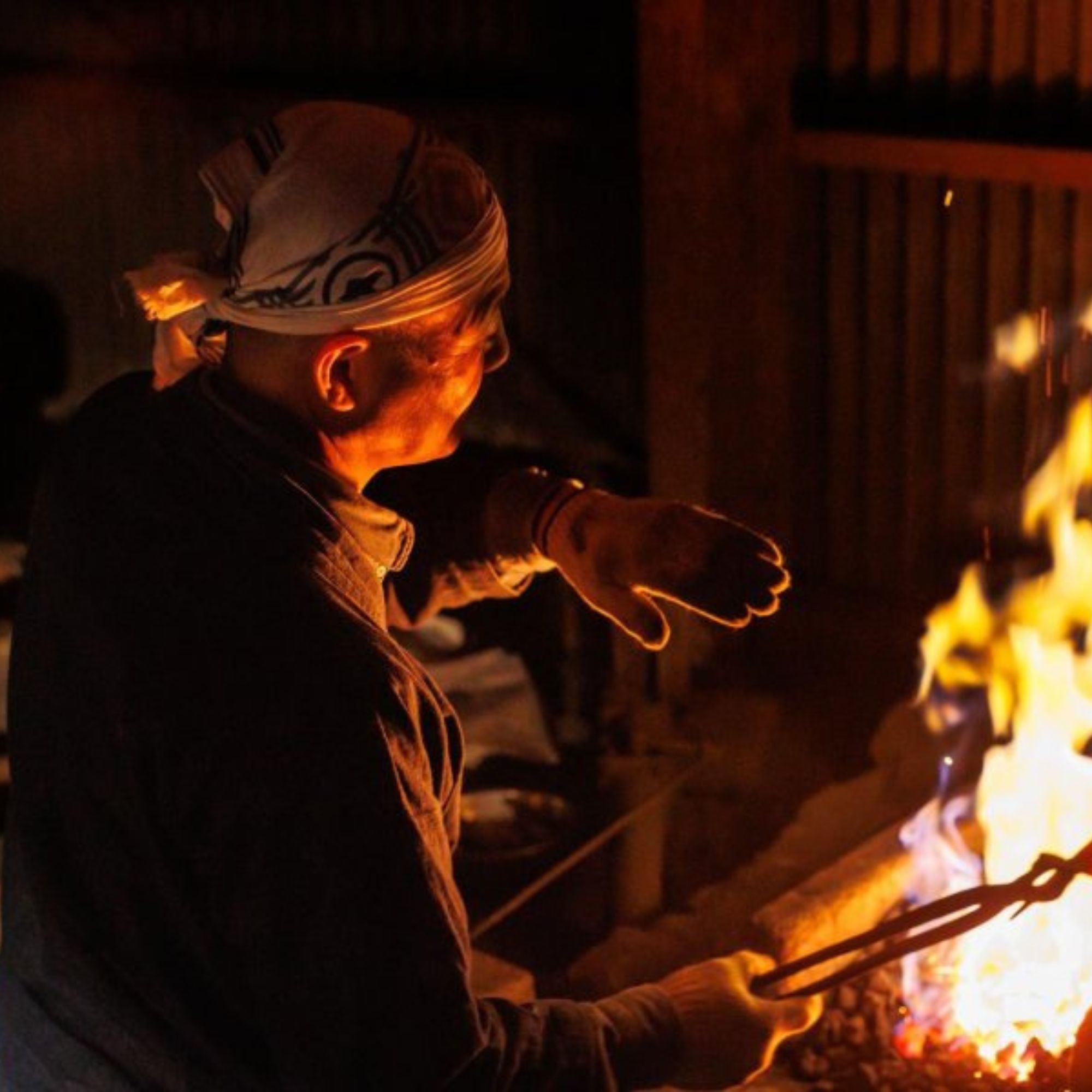
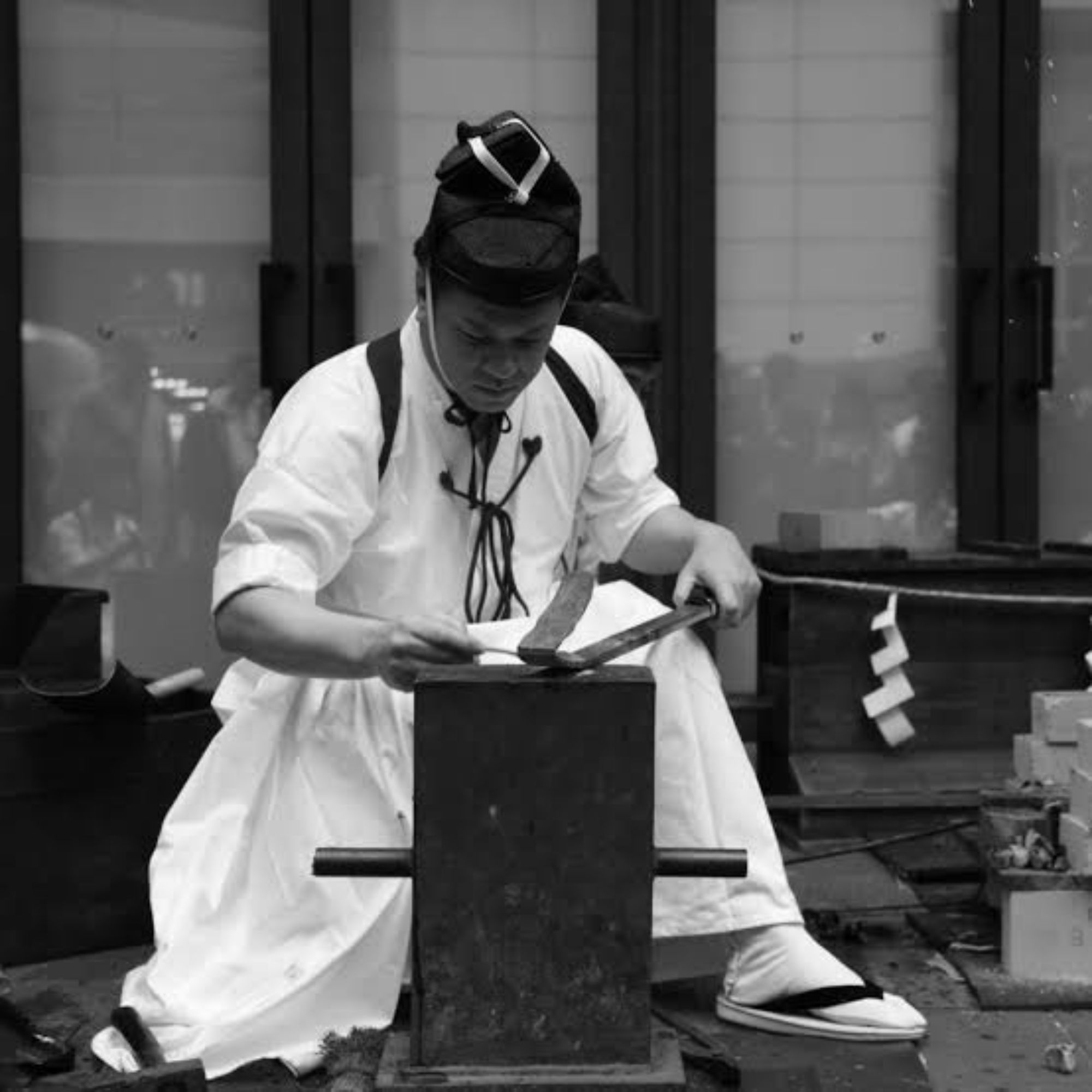
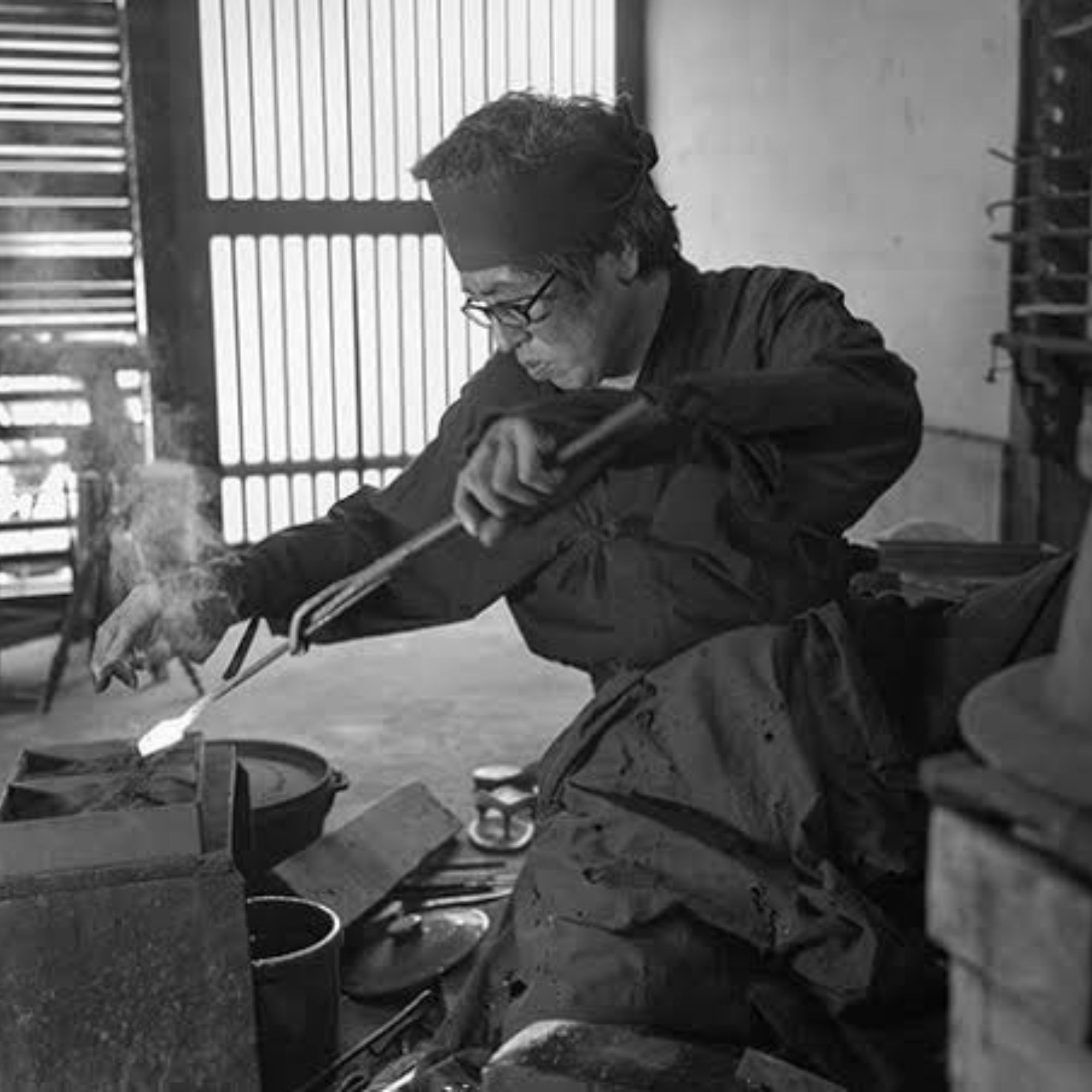
It begins with a smith.
Before a knife reaches a kitchen, it passes through a craftsman’s hands. Steel is heated, hammered, quenched and ground by people who learned the work from the generation before them.
That patience stays in the blade. You feel it the first time you cut with one.
Chapter II · The kitchens
Then it goes to work.
For years, sometimes generations, a good knife is used every day. It is sharpened, cared for and handed on. The marks it gathers along the way are part of its record.
Every scratch and every shade of patina is part of the story.
We restore each knife to working order and leave its history where it belongs: on the steel.


Chapter III · The chef
Chosen by a chef, for people who cook.
James Noble spent more than twenty years working, managing and owning Michelin-standard kitchens around the world. In every one of them, the chefs cooked with vintage Japanese knives.
Past Knife is how he shares them. Genuine old blades, restored and cared for. Never reproductions.
James NoblePast Knife, Chiang Mai
Chapter IV · The case
An index of shapes.
Every knife in the case is numbered and measured by hand, with its weight, heel height and spine thickness. Start with the shape that suits the way you cook.
Christmas · The gift chapter
A gift with a past.
Most presents are new. This one comes with a story: a vintage Japanese knife, chosen by a chef, that has already done honest work in another kitchen and is ready for many more years in theirs.
There is only one of each. Message early, while the right one is still in the case.
Chapter V · How it works
Three steps. One conversation.
Buying a Past Knife is a conversation with the chef who chose it.
Browse the case
Every knife is numbered and measured, so you can compare weight, heel height and spine thickness before you ask.
Message Chef James
Send the knife number on WhatsApp. Ask about fit, steel and care, and decide with someone who knows the blade.
Collect or ship
Pick it up at the shop in Chiang Mai, or ask about shipping it to you.
Ready when you are.
Send Chef James the knife number, or tell him how you cook and ask what he would choose.
Chapter VI · Visit
Hold them before you choose.
203/6-203/7 Moo 6, Fahham, Muang, Chiang Mai 50000, Thailand